Why performance matters in text to speech
Choosing a text to speech tool is not only about finding a voice that sounds pleasant. For many users, real value comes from how well the system performs in daily tasks, content production, customer communication, and accessibility workflows. Measuring TTS performance helps teams understand whether a platform is fast, clear, reliable, and suitable for real use cases. This topic complements guides about choosing a voice or improving audio quality because it focuses on evaluation, not just setup. When reviewing a TTS solution, it is useful to look at several practical factors: pronunciation accuracy, speaking pace, natural pauses, voice consistency, response speed, and ease of editing. A strong result usually means the audio sounds smooth and understandable while also being efficient to generate. Performance also depends on the type of content being converted. A short marketing script, a training lesson, and a customer support message may all require different voice styles and delivery speeds. By testing performance with realistic content samples, users can make more informed decisions and avoid relying on first impressions alone.
Key metrics to review before choosing a tool
One of the most important metrics is intelligibility, which means how easily listeners can understand the spoken output. If words are technically correct but hard to follow, the listening experience will suffer. Pronunciation quality is another major factor, especially for names, technical terms, abbreviations, and multilingual content. Naturalness also matters because robotic rhythm can reduce engagement even when the message is clear. In addition, users should check latency, or how long it takes to turn text into audio. For fast production workflows, short waiting times can make a big difference. Stability is equally important. A platform should produce consistent results across different lengths of text and repeated projects. Customization options can also affect performance, since controls for speed, tone, pauses, or pronunciation may help improve output without rewriting the full script. File export options, supported formats, and ease of integration into websites, apps, or content pipelines are also worth reviewing. Looking at these metrics together creates a more balanced view than focusing on voice style alone.
How to test TTS performance in a practical way
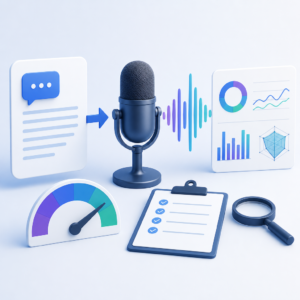
A simple testing process can reveal a lot about a TTS platform. Start by preparing a small set of sample texts that reflect real use cases, such as product descriptions, support messages, educational passages, and short promotional scripts. Include numbers, dates, acronyms, and brand names to see how the system handles more difficult language. Then compare several voice options using the same text and listen for clarity, pace, emotion, and consistency. It is also helpful to test long and short passages, since some systems perform well on short lines but sound less natural in longer narration. Ask a few listeners to review the output and note where they hesitate, replay sections, or misunderstand terms. This feedback can highlight problems that are easy to miss when reading the original script. Finally, track practical results such as production time, number of edits needed, and listener satisfaction. For businesses and creators using AI voices regularly, a structured performance review can lead to better audio quality, smoother workflows, and more reliable communication across channels.