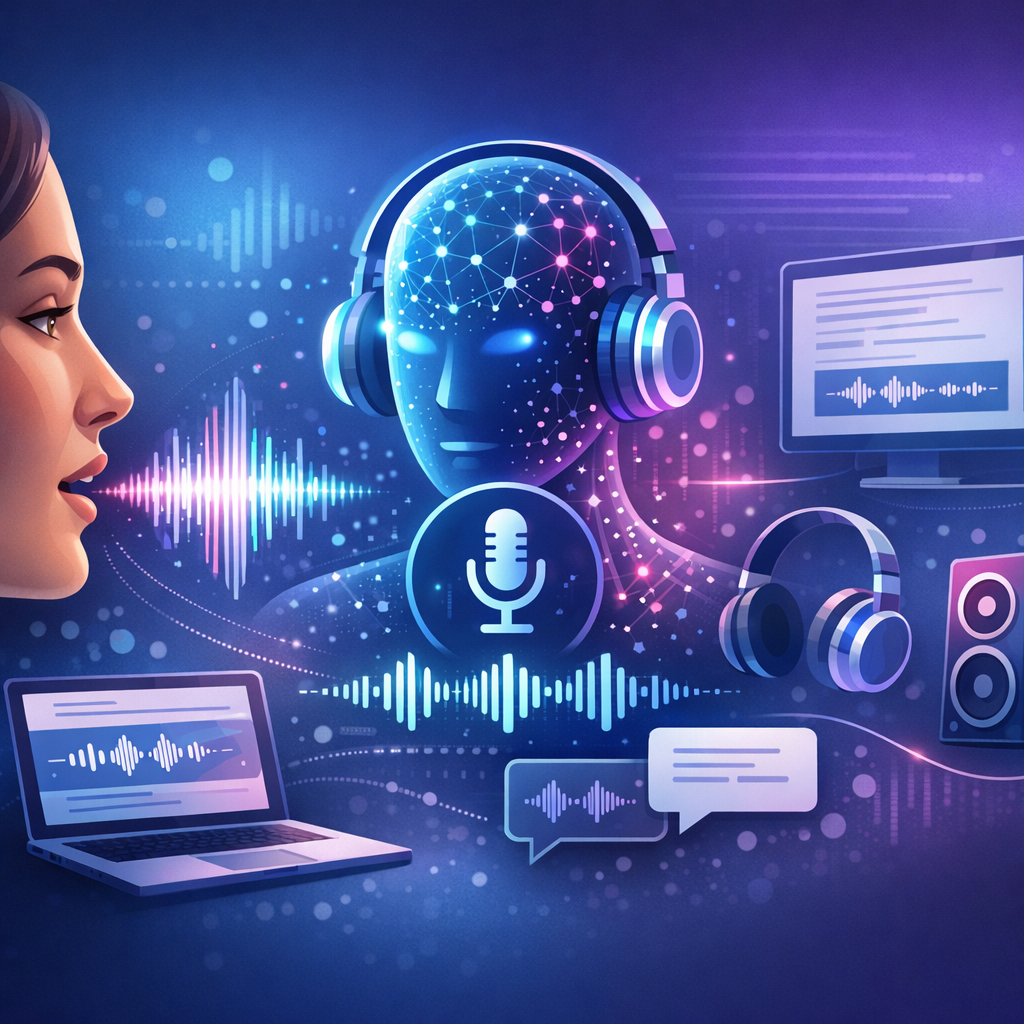
What is TTS technology?
TTS stands for Text-to-Speech, which is a technology that converts written text into spoken words. This innovation allows computers, smartphones, and even smart speakers to read aloud digital content in a natural-sounding voice. TTS technology uses advanced software and sometimes artificial intelligence to understand text, including punctuation and pronunciation, and then produces speech output. It is now commonly found in many devices and applications, helping people access information in an easy and convenient way.
The benefits of TTS for users
TTS technology offers many advantages for both individuals and organizations. For people with visual impairments or reading difficulties, TTS provides an essential tool to understand written content. It also helps those who are learning a new language, as they can listen to correct pronunciations and improve their skills. Busy professionals or students can use TTS to listen to documents, emails, or books while multitasking. Additionally, companies and content creators can use TTS for customer service, e-learning, voice assistants, and more, making their content more accessible to everyone.

How TTS works with different languages
Modern TTS technology supports a wide range of languages and regional accents, making it suitable for diverse audiences around the world. The core process involves analyzing the input text, determining how each word should be pronounced, and then creating audio using digital voice models. High-quality TTS engines offer voices that sound natural, with the right tone and emotion. Many TTS platforms now let users choose from male or female voices, as well as different dialects, making the listening experience more personal and engaging.
Applications of TTS in everyday life
Text-to-Speech is now an everyday feature in various sectors. In education, students can listen to textbooks and study materials, which improves comprehension and retention. Businesses benefit by offering voice-based customer support, interactive voice response systems, and audio instructions for their products. TTS is also widely used in navigation systems, news reading apps, podcasts, and audiobooks, allowing users to consume content hands-free. As virtual assistants become more popular, TTS remains a crucial component for clear and effective communication.
The future of TTS technology
TTS technology is constantly evolving. With advancements in artificial intelligence and deep learning, TTS systems are becoming more accurate and lifelike than ever before. Developers are working on making voices sound even more natural, supporting more languages, and adding emotional expression to improve the experience. As these improvements continue, we can expect TTS to become a standard feature in more devices and services, making information accessible to a larger global audience. If you want to experience the latest innovations in TTS, visit ttsvoiceai.com and discover a world of high-quality, multilingual voice solutions.